Powell River Top General Contractor for Custom Construction Projects
Powell River Top General Contractor for Custom Construction Projects
Blog Article
General Contractor: Your Dependable Expert for Home Tasks
A general contractor assumes a fundamental role in home projects. They manage various aspects of construction, ensuring that processes function flawlessly. Their expertise with construction codes and regulations enables them to overcome the complexities of permits and inspections. This expert functions as a key link between clients and specialist contractors. However, many homeowners stay unsure about the full scope of their services. Understanding these details can greatly impact the triumph of any renovation project effort.
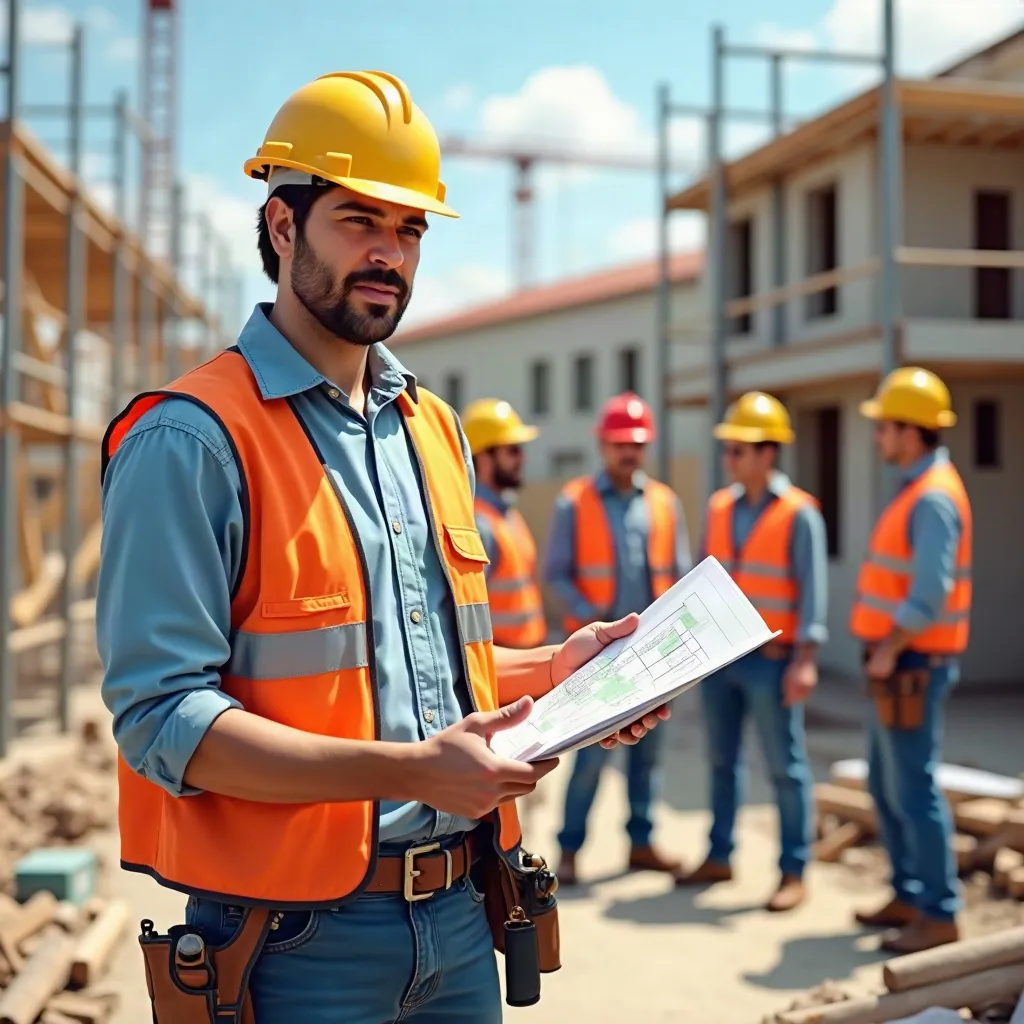
In What Ways Do a General Contractor Operate?
A general contractor directs the assorted components of a development project, making sure that everything runs smoothly from start to finish. They serve as the leading contact point, facilitating communication between clients, subcontractors, and suppliers. This assignment entails planning the execution plan, coordinating workers, and securing compliance with local building codes and codes.
General contractors are in charge of obtaining necessary permits and scheduling inspections, which are vital for upholding safety and quality benchmarks. They also manage budget planning, material procurement, and overseeing site operations to mitigate any potential delays or issues. In addition, they oversee subcontractors, ensuring that each phase of construction conforms to project specifications and timelines. Overall, a general contractor's knowledge and management abilities are crucial for completing a successful construction project, turning a client's vision into reality while balancing multiple tasks and responsibilities.
Benefits of Employing a General Contractor for Home Renovations
Using a general contractor for home renovations offers many advantages that can greatly improve the efficiency and quality of the renovation. General contractors deliver expertise in project management, guaranteeing deadlines are honored and materials are distributed efficiently. Their strong relationships with trade specialists can lead to better pricing and superior workmanship, which in the end helps property owners time and money.
Furthermore, general contractors handle the intricate details of approvals and reviews, limiting potential legal issues. They also supply a one main contact, facilitating interaction and management among multiple specialists. This streamlining lowers the probability of misunderstandings and delays.
Moreover, their background allows them to predict potential challenges, enabling proactive solutions to maintain the project on track. By hiring a general contractor, homeowners can prioritize their vision while enjoying peace of mind, recognizing that a professional is supervising every aspect of the renovation.
Clearing Up Myths Regarding General Contractors
Many property owners may have incorrect ideas about general contractors, but understanding the realities can lead to more informed decisions. A common myth is that hiring a general contractor is not needed for minor projects; yet, their expertise can streamline even minor renovations, ensuring alignment with local codes. Another common belief is that general contractors are simply middlemen, but they usually possess wide knowledge in different specialties, allowing them to manage projects successfully. Furthermore, some homeowners think that collaborating with a contractor will dramatically raise costs. In truth, a skilled general contractor can often attain better discounts for materials and labor due to firm relationships with vendors and subcontractors. Lastly, many believe that contractors are inflexible, but esteemed contractors emphasize client communication and work closely to fulfill tailored needs. Debunked myths can empower clients to make the most of the actual value of general contractors in completing successful home projects.
How to Pick the Right General Contractor?
How can property owners ensure they choose the right construction professional for their assignments? The approach begins with thorough research. Homeowners should obtain suggestions from friends, family, and online reviews to find potential candidates. Once a compilation is assembled, verifying credentials, such as licensing, bonding, and insurance, is vital to confirm credibility.
Next, homeowners should request and review collections of past projects, concentrating on assignments of comparable size. Setting up interviews allows homeowners to gauge compatibility, covering schedules, costs, and requirements. It's also advisable to get several estimates for comparison, providing a better grasp of expenses.
Reviewing references gives perspective on a contractor's dependability and expertise. Finally, trusting one's instincts is important; an initial meeting can expose a contractor's way of communicating and methodology. By following these steps, homeowners can markedly increase their chances of selecting a general contractor who matches their objectives and goals.
Strong Communication Strategies To Use With Your General Contractor
How can homeowners apply methods to guarantee effective communication with their general contractor? Setting clear interaction from the commencement is vital. Homeowners must explicitly state their requirements, project goals, and budget constraints during opening conversations. Regular communications can be enabled through arranged gatherings, guaranteeing that both parties stay coordinated throughout the project.
Leveraging documentation records, like emails or project logs, reinforces verbal agreements and reduces confusion. Homeowners should equally support transparent communication by soliciting feedback and questions from the contractor, fostering a collaborative atmosphere.
In addition, tapping into technological tools, such as project management apps, can refine communication by presenting a centralized interface for communicating updates, timelines, and changes. Finally, being considerate and approachable can enhance camaraderie, allowing it easier for the contractor to articulate challenges or suggestions effectively. By applying these solutions, homeowners can create a productive and forthright relationship with their general contractor.
What to Expect When Your Project Starts?
As the initiative begins, homeowners can anticipate a burst of activity on-site. The project manager will organize groups of experienced professionals, including electricians, plumbers, and carpenters, who will start their work according to the predetermined schedule. Homeowners may observe equipment and supplies being brought in, generating a bustling atmosphere.
Maintaining communication is critical during this stage. The contractor will supply updates on work being done and tackle any worries that come up. Homeowners should prepare for potential disturbances, such as sound levels and reduced availability to select areas of the home.
Safety measures will be in place to defend both workers and residents, confirming a secure environment. Additionally, homeowners may be advised to sustain flexibility, as unforeseen issues can arise, necessitating adjustments to the original plan. Overall, this initial phase creates the conditions for the successful completion of the project, and active engagement is essential.
Vital Questions for Your General Contractor Arrangement?
Pinpointing the right topics to ask when completing a general contractor agreement is fundamental for securing a streamlined project. Homeowners should inquire about the contractor's license and coverage to establish their standing and protection against exposure. Understanding the project schedule and milestones is critical; therefore, asking about expected completion dates helps shape expectations.
It is also necessary to communicate financial specifications, like down payments and payment plans, to ward off misunderstandings. Homeowners should secure a granular analysis of outlays, highlighting building materials and skilled work, to copyright accountability. Concurrently, deliberating on the process for addressing changes or surprise difficulties can eliminate disagreements subsequently.
Finally, homeowners must obtain information regarding the credentials of subcontractors, as well as the communication plan of the contractor throughout the project. By examining these matters, property owners can build a productive relationship with their general contractor, ultimately resulting in a successful home project.
Popular Questions Posed Often
How Do General Contractors Bill for Their Services?
General contractors typically bill through fixed fees, per-hour charges, or a percentage of the total project cost. Their costs may also include supplies, labor, and overhead, depending on the complexity and extent of the project.
Can a General Contractor Assist With Permits and Inspections?
Yes, a general contractor can assist with obtaining permits and managing inspections. They typically handle local codes and guarantee compliance, simplifying the workflow for homeowners while source facilitating necessary approvals throughout the construction project.
What Qualities Should I Locate in a General Contractor?
When hiring a general contractor, one should review professional credentials such as valid licensing, insurance, experience in relevant projects, excellent references, and effective communication skills, ensuring they possess the essential qualifications to handle the project successfully.
What Timeframe Should You Anticipate for a Standard Home Renovation Project?
A everyday home renovation work can extend anywhere from a few weeks to several months, subject to the scope, complexity, and size of the project, as well as the stock of materials and labor.
What Happens if My Project Surpasses Budget?
If a project goes over budget, the builder usually talks through the causes and alternatives with the homeowner. Changes may consist of reducing scope, seeking additional funding, or modifying the project parameters to align with financial limits.
Report this page