Transform Your Property with a Trusted Dunellen General Contractor
Transform Your Property with a Trusted Dunellen General Contractor
Blog Article
Why Selecting the Right General Contractor Is Crucial for Your Project
Identifying the right main contractor is a pivotal call that can greatly influence a project's fruition. A fit contractor secures efficient handling and adherence to financial plans. Their competence to traverse challenges and maintain clear communication is paramount. However, many project principals overlook essential factors in this vetting cycle. Understanding these elements can advance to better consequences and heightened satisfaction. What should one think about when making this significant determination?
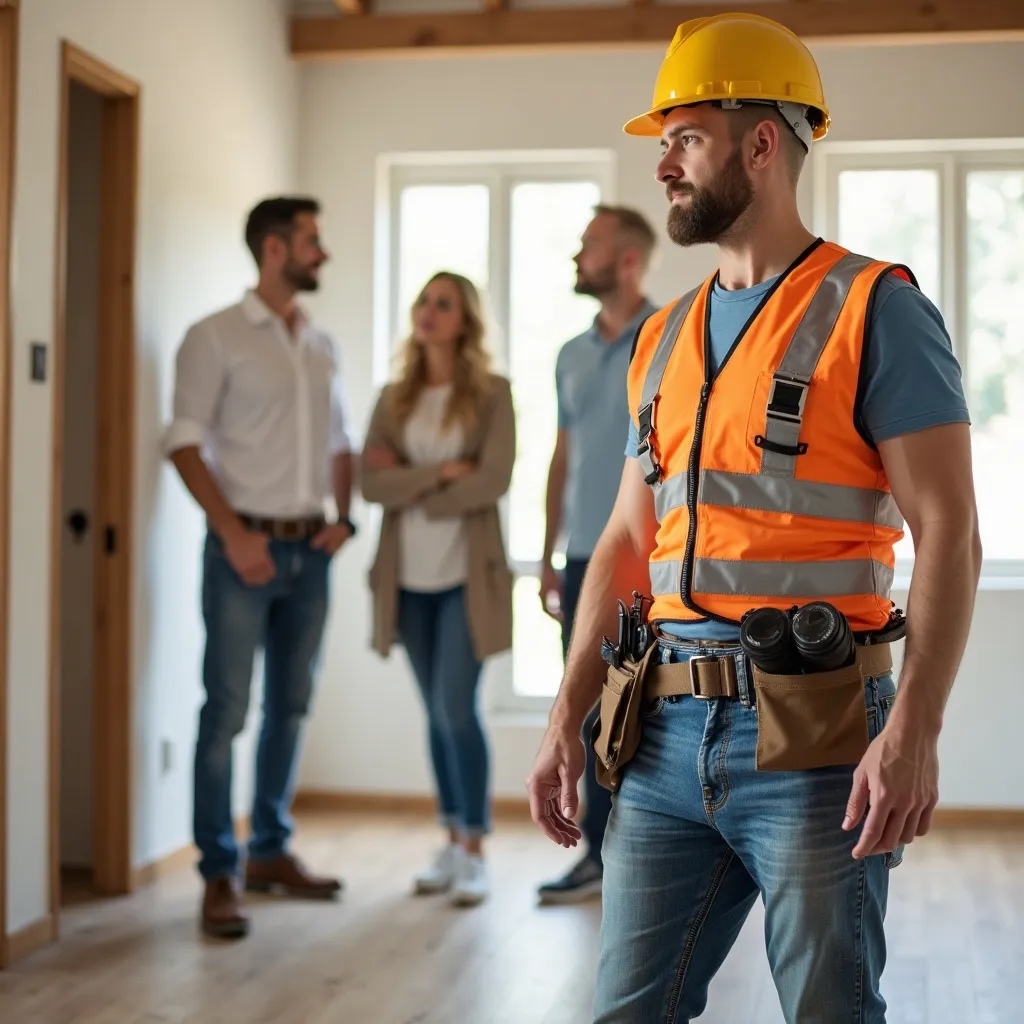
Regular Challenges in Selecting a General Builder
When evaluating a building contractor, potential clients often face several common challenges that can impede the selection process. One major obstacle is the vast quantity of choices on offer, which can lead to confusion and indecision. Customers may find it hard to differentiate between contractors based on qualifications, experience, and pricing, rendering it difficult to determine who will best meet their project needs.
One concern is the insufficient openness in contractor bids, where undisclosed charges may appear later, changing the project budget. Moreover, clients may face challenges surrounding dialogue; some contractors may fail to keep clients informed during the execution, producing frustration. Lastly, clients often contend with verifying a contractor's references and prior work, which can generate uncertainty regarding the standard of service provided. These complications necessitate thoughtful review and due diligence to assure the appropriate selection is made.
Why a Solid General Contractor Matters
A dependable general contractor plays an crucial role in guaranteeing project management productivity and maintaining quality assurance guidelines. Their skill helps streamline processes, reducing delays and costs. Additionally, a trustworthy contractor upholds high standards, resulting in superior craftsmanship and client satisfaction.
Enhance Task Organization Efficiency
Efficient project management is contingent upon the trustworthiness of a general contractor. A reliable contractor assures that timelines are followed, resources are properly allocated, and communication flows smoothly among all stakeholders. Their capability to manage subcontractors, suppliers, and laborers directly impacts the progress and overall success of the project. A trustworthy contractor minimizes delays and cost overruns This effectiveness fosters a cooperative setting supporting necessary modifications and enhancements. Ultimately, the general contractor's dependability enhances both the operational facets of the project and confidence among clients and team members, ensuring everyone stays aligned toward a successful outcome.
Superior Assurance Standards
Trustworthy construction professionals have a critical role in maintaining quality guidelines throughout the project lifecycle. They guarantee that the work meets established guidelines and industry best practices, essential for the durability and safety of the structure. A competent contractor manages materials and workmanship closely, conducting routine inspections to identify and fix issues promptly. This proactive method lessens risks connected with poor construction, ultimately protecting the investment. Additionally, a reliable contractor promotes communication between all stakeholders, making sure expectations are transparent and met. Prioritizing quality assurance, a skilled general contractor not only betters the final product but also builds client trust, setting the foundation for successful project completion.
Evaluating a Service Provider's Experience and Track Record
When selecting a general building professional, grasping their experience and standing is essential, as these factors profoundly affect project outcomes. A contractor's experience generally reflects their ability to oversee diverse project types, complexities, and difficulties. Reviewing their work history offers insight into past projects, demonstrating craftsmanship and meticulous attention to specifics.
Additionally, reputation serves as a vital role in forming trust. Prospective clients should seek online reviews, testimonials, and references to evaluate satisfaction levels from previous clients. Engaging with past customers can demonstrate the contractor's reliability, communication skills, and adherence to timelines and budgets.
Moreover, industry affiliations and certifications can fortify a contractor's authenticity, conveying a devotion to quality and ethical practices. By rigorously assessing both proficiency and reputation, clients can make informed decisions, decisively setting the stage for a outstanding construction project.
Vital Attributes of a Honest Contractor
A dependable contractor consistently exhibits integrity, transparency, and excellent interpersonal abilities. These essential qualities create the foundation of a prosperous working relationship. Integrity ensures the contractor conforms to moral standards, offering honest assessments and practical schedules. Openness involves openly sharing project details, encompassing costs and possible obstacles, building confidence between the contractor and the client.
Robust communication abilities enable the contractor to efficiently convey ideas, listen to client needs, and promptly address any issues that arise during the project. Additionally, a dependable contractor showcases flexibility, reacting to modifications and unforeseen circumstances with resilience and composure. Careful attention to detail is another important trait; it shows a commitment to quality and precision in every aspect of the work. In the end, these qualities not only improve project outcomes but also add to a positive experience for clients, making the choice of a reliable contractor all the more vital.
Essential Considerations When Engaging Your General Contractor?
What approach can a person take to ensure they select the right general contractor for their project? By posing a collection of targeted questions, potential clients can more effectively assess candidates. First, inquiring about the contractor's experience with similar projects offers insight into their expertise. It's also vital to request for references; conversing with previous clients can uncover the contractor's reliability and standard of work.
Subsequently, evaluating licensing and insurance ensures that the contractor complies with legal requirements and protects the client from unforeseen liabilities. Clients ought to also request information about timelines and project management strategies to determine how the contractor plans to execute the project productively.
Budget meetings are important; asking for a thorough estimate helps avoid surprise costs later. Finally, grasping the contractor's preferred way of communicating can establish the foundation for a productive working relationship. By addressing these important inquiries, clients can choose wisely in choosing their general contractor.
Open Discussion Is Critical With Your Contractor
Effective interaction with a contractor is important for assignment achievement. Defining transparent goals and providing timely communications can eliminate miscommunications that often lead to expensive delays. Additionally, encouraging an open dialogue establishes rapport, ensuring a improved partnership throughout the construction effort.
Explicit Specifications Guarantee Positive Outcomes
Defining clear expectations is essential for a successful partnership with a general contractor. Effective communication lays the foundation for a mutual understanding of project goals, timelines, and budget constraints. When both parties convey their needs and concerns, it lowers the risk of misunderstandings that may disrupt progress. A contractor who understands the specific requirements can allocate resources efficiently and proactively handle potential challenges. Additionally, transparency promotes accountability, guaranteeing the contractor fulfills commitments and that the homeowner feels engaged in the process. By prioritizing open dialogue early on, clients can improve cooperation and satisfaction, ultimately resulting in a more efficient project delivery. Clear expectations not only streamline processes but also foster trust between the homeowner and the contractor.
Opportune Updates Prevent Misunderstandings
Establishing distinct expectations builds the groundwork for effective collaboration, yet frequent contact is absolutely necessary. Consistent updates from a general contractor can eliminate confusion that may occur during a project. When contractors consistently communicate progress information, customers keep abreast of timelines, cost modifications, and conceivable impediments. Such anticipatory communication works to harmonize both sides' expectations and decreases the risk of disagreements later. Moreover, if problems surface, rapid communication permits speedier fixes, maintaining the work on track. Through establishing a atmosphere of honest communication, contractors illustrate their commitment to the project's achievement, in the end creating a smoother operation and higher customer satisfaction. As a result, prompt updates act as a cornerstone in preserving comprehension and confidence during the construction journey.
Candid Interaction Produces Trust
During a project's development, sustaining an open dialogue with the general contractor becomes important for fostering reliance and partnership. Clear communication guarantees that all stakeholders have a precise understanding of expectations, timelines, and potential issues. When project managers and clients participate in regular discussions, it facilitates for the spotting of issues before they multiply, minimizing setbacks. This openness not only builds confidence but also strengthens the overall construction experience. In addition, an accessible communication channel supports commentary, enabling the construction expert to make adjustments that align with the client's vision. Finally, strong communication forms a foundation of reciprocal appreciation, which is necessary for the proper completion of any construction job. Trust cultivated through dialogue leads to better outcomes for everyone taking part.
Frequently Asked Questions
How can I confirm if a Contractor possesses a License?
To assess if a contractor is duly licensed, one should check local registration agencies and web portals, confirm their license number, and establish it's active. Additionally, looking at online reviews can present insight into their credibility and reliability.
What Insurance Should My Builder Carry?
A builder should carry general liability insurance, employee injury coverage, and, if applicable, errors and omissions coverage. These protect against potential damages, on-the-job accidents, and mistakes in craftsmanship, ensuring monetary safeguards for both the builder and the client.
What's the Best Way to Examine a Construction Professional's References?
To examine a contractor's references, one should obtain a list of prior customers, review now contact them directly, and ask about their opinions. Moreover, exploring online reviews and ratings can give helpful perspectives into the contractor's dependability.
What Should I Do if Problems Arise During the Undertaking?
If challenges occur during the project, one should record the difficulties, communicate directly with the contractor, and work toward a solution. If needed, bringing in a neutral third party or consulting a legal professional may also be advisable.
Are There Warning Signs to Watch for During the Hiring Process?
Problem indicators found in the recruitment phase include vague estimates, lack of references, weak communication, partial licenses, and negative online reviews. These clues suggest potential issues that might impact the project's quality and timeline.
Report this page